maigres mirages
drawings on Samuel Beckett’s poems
Creating pieces inspired by someone else’s work — Samuel Beckett’s, in this case — is a way of paying tribute to him while pushing my own practice out of its usual frame. The result becomes a meeting point echoing both of our sensibilities, which enriches my own visual lexicon.
maigres mirages is a series of twelve black drawings conceived as a dark tale. It is inspired by Samuel Beckett’s poems written between 1976 and 1978, called mirlitonnades and published by Les Éditions de Minuit in France. I have been a long-time admirer of Beckett’s world: his way of approaching silence, his helpless bodies, his torn shapes. His seething inner landscapes celebrate beauty in its poverty.
Representing the unrepresentable is the guiding thread of this work. The disappearance of action. Conceived as both Greek tragedy and burlesque comedy, the scenes in the drawings evoke interiority — a mixture of laughter and tears in twilight. A time to become a stone, a shadow, an illusion.
Title — When I began the project, I did not want to use Beckett’s own title for this collection. The series is focused on my interpretation of his words — how they resonate with me — and I did not intend these drawings to be illustrations. The idea came to me to create a title using an anagram to refer to his relationship with words while evoking what the poems meant to me. I chose maigres mirages, which means meager mirages. Mirages reflects the visual impression left by reading the texts, and meager refers to the economy of means that defines these poem.
Style — The style begins with a pattern that runs through the twelve drawings. The pattern corresponds to the overall feeling that emerges from reading the entire collection. It is composed of three colors: Black, associated with interiority. A matte dark mineral green evoking stone or dark lichen — a color that does not stand out easily on a black background, requiring effort to perceive. And between these two surfaces, an electric blue scattered in small touches, like drifting ash. The pattern consists of two textures over a flat black background. In the foreground, in dark green, a thick, bold texture in motion covers most of the black surface. And between the black and the green lies a fragile blue texture of tiny fragments, creating depth — an inner space.
Series — Working in series is meaningful for me. More than with a single image, each piece can be seen on its own, but when they are shown together they form a whole — a story with different actions that echo each other, a shared world with various frames and off-screen spaces. Here, each drawing is linked to a poem. Something around the human body, as in Beckett’s texts. The subjects are minimal, to contrast with the complexity of the pattern and to resonate with the brevity of the poems. They depict fragments of human bodies, stones, bones, and a few objects such as an umbrella, a hat, a chain, a vase, a mask... There is almost no action in these scenes — the main action is the movement of the pattern that inhabits the forms, like a monologue spoken inwardly.
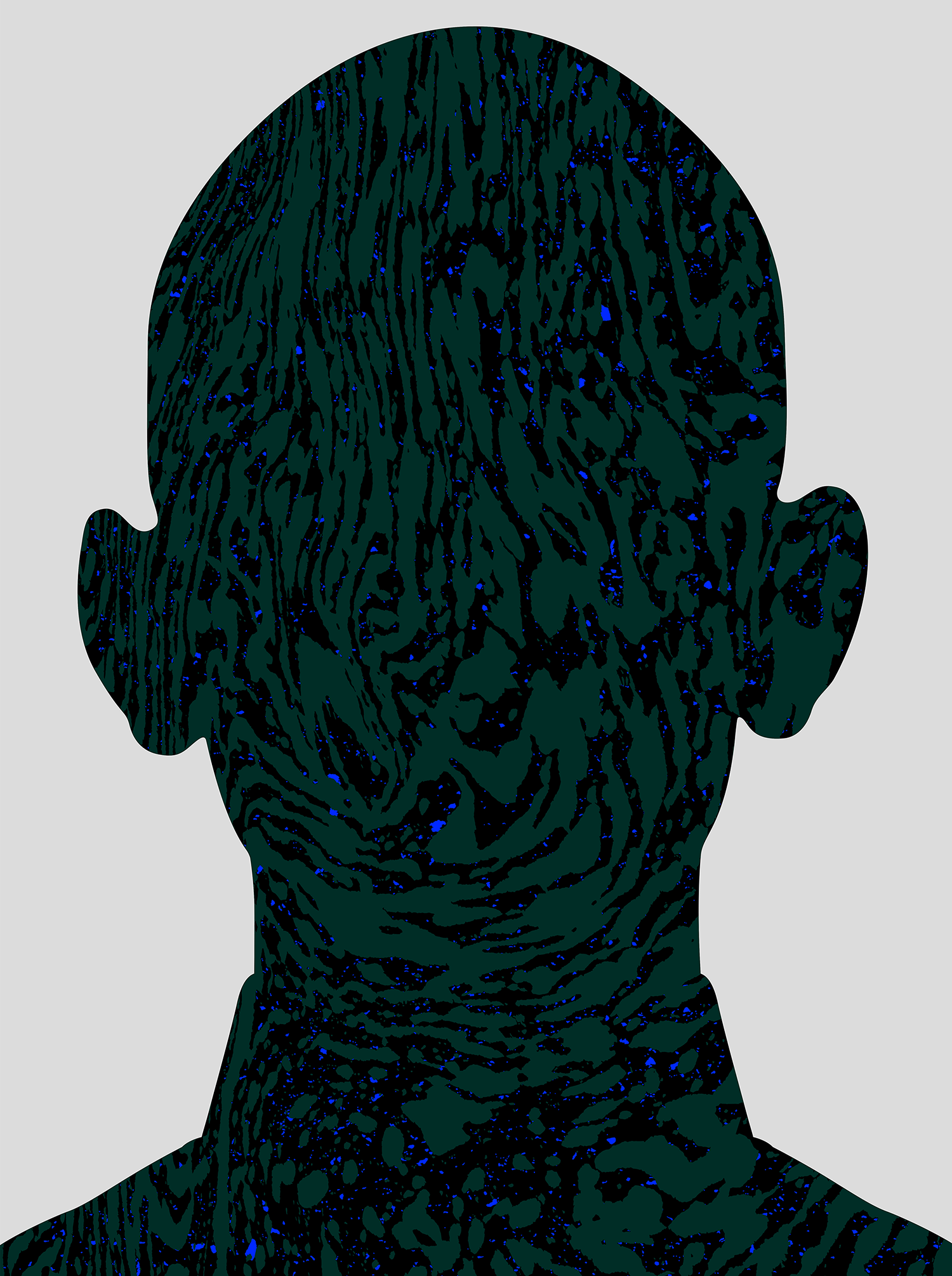
nuit qui fait tant
implorer l’aube
nuit de grâce
tombe
—
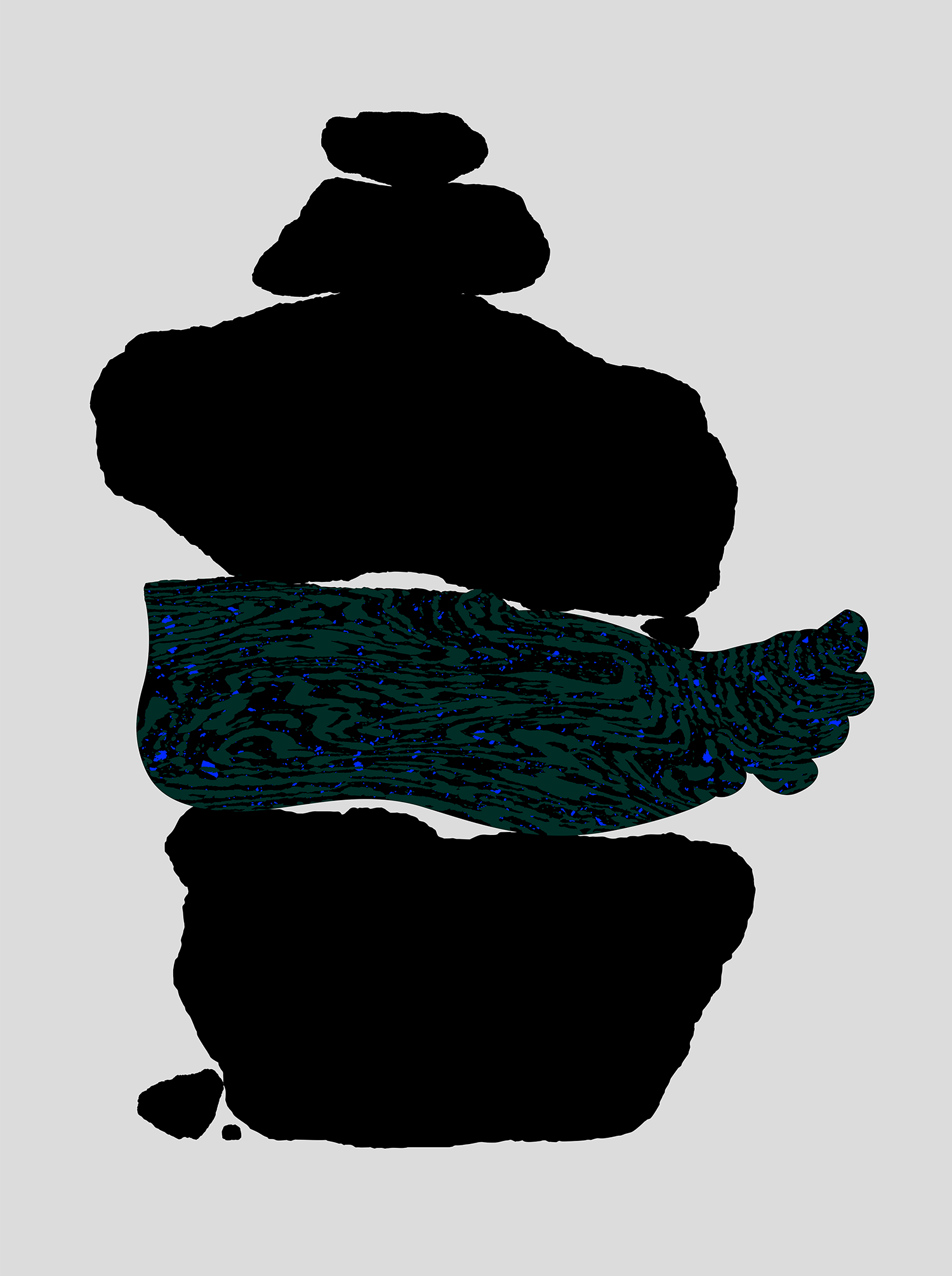
pas à pas
nulle part
nul seul
ne sait comment
petits pas
nulle part
obstinément
—
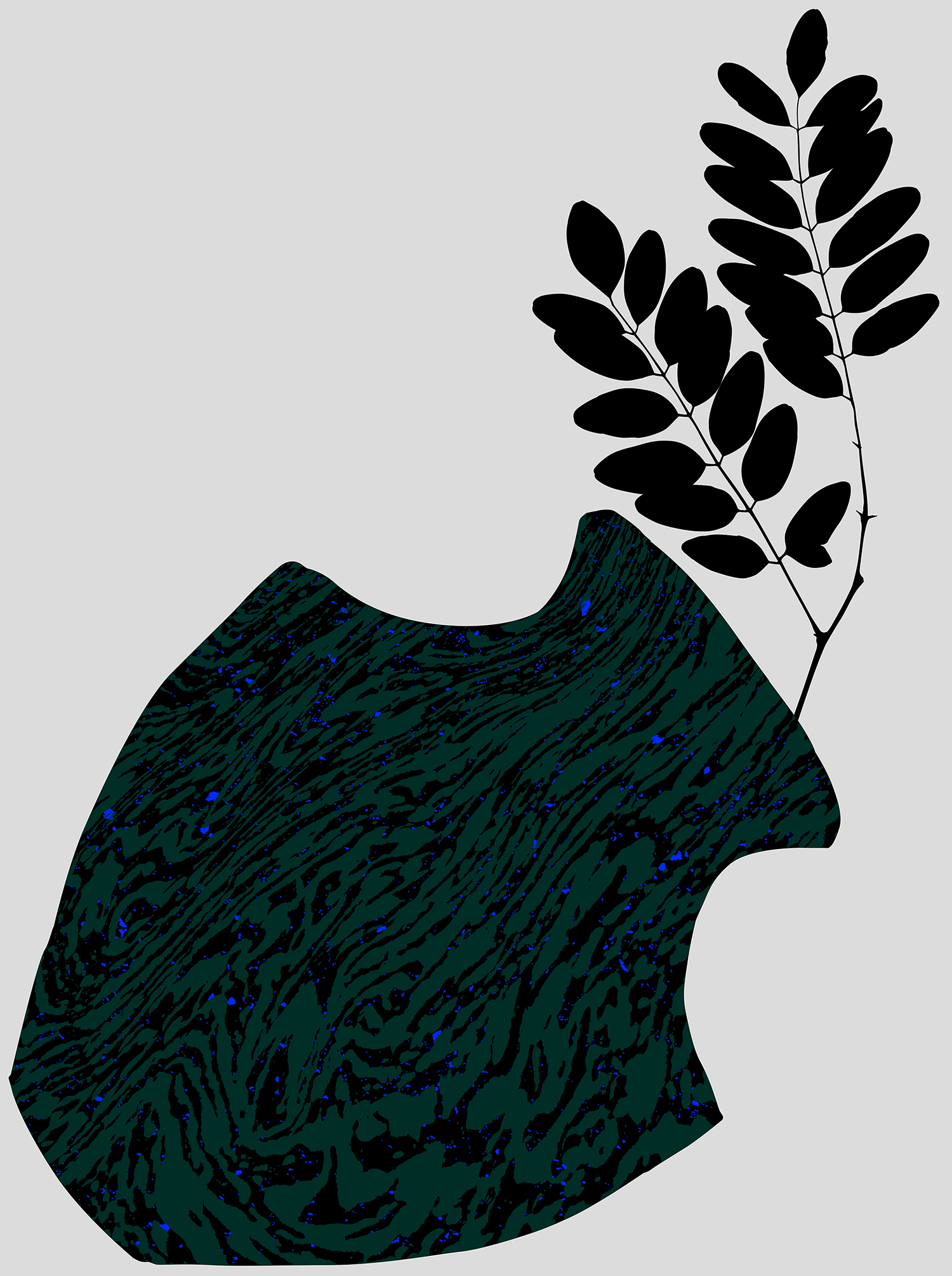
rêve
sans fin
ni trêve
à rien
—
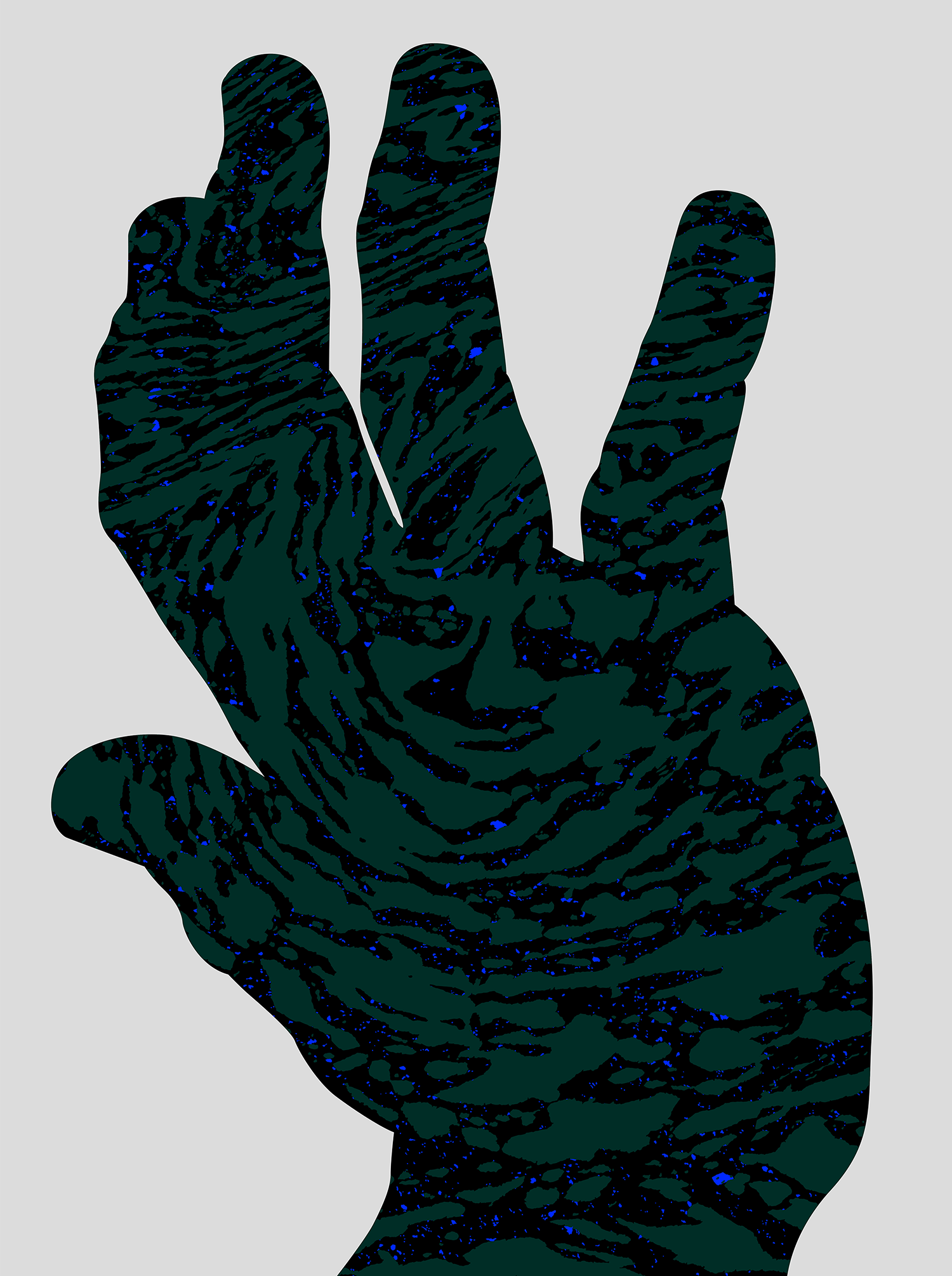
ce qu’on les yeux
mal vu de bien
les doigts laissé
de bien filer
serre les bien
les doigts les yeux
le bien revient
en mieux
—
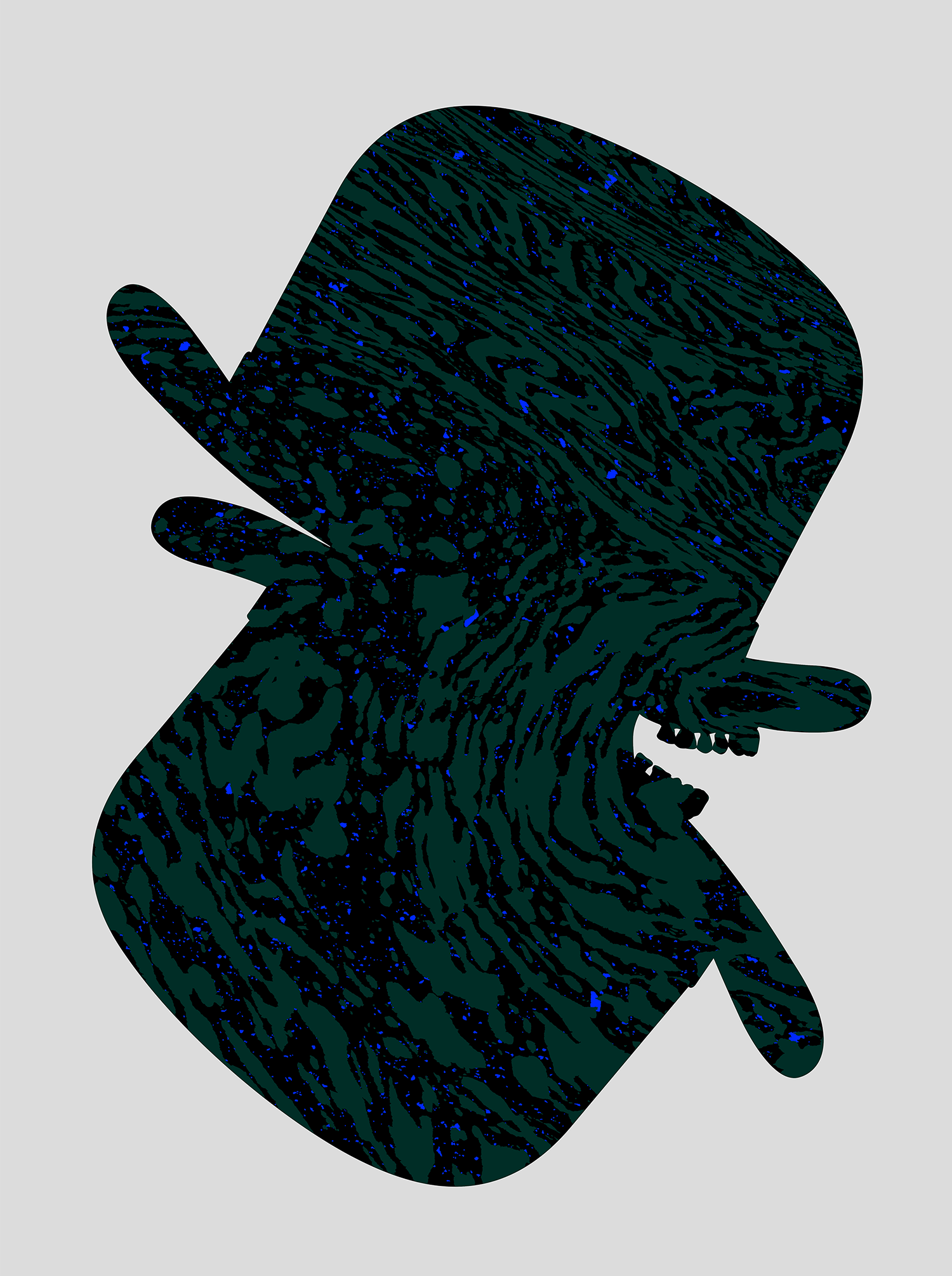
en face
le pire
jusqu’à ce
qu’il fasse rire
—
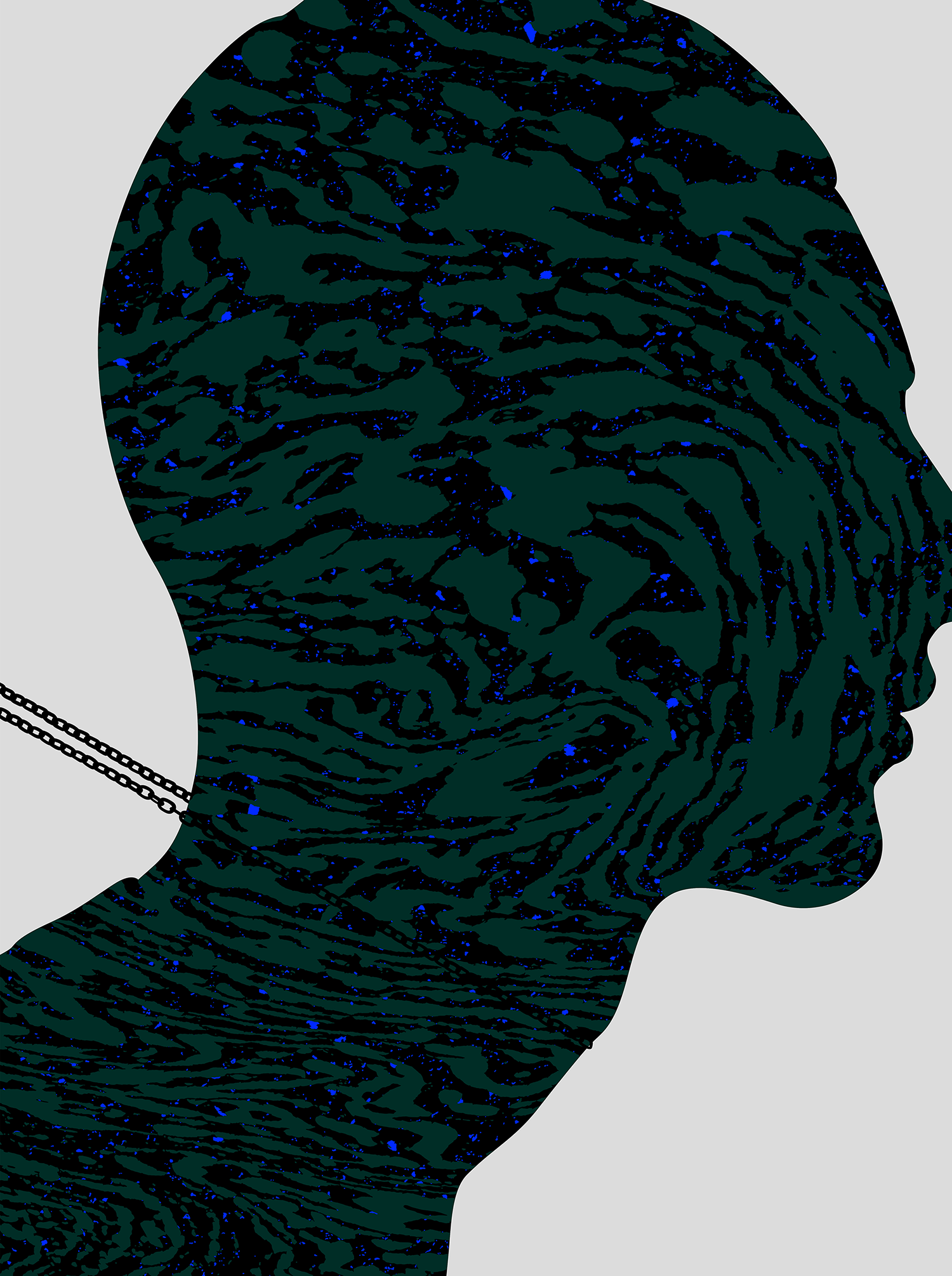
imagine si ceci
un jour ceci
un beau jour
imagine
si un jour
un beau jour
cessait
imagine
—
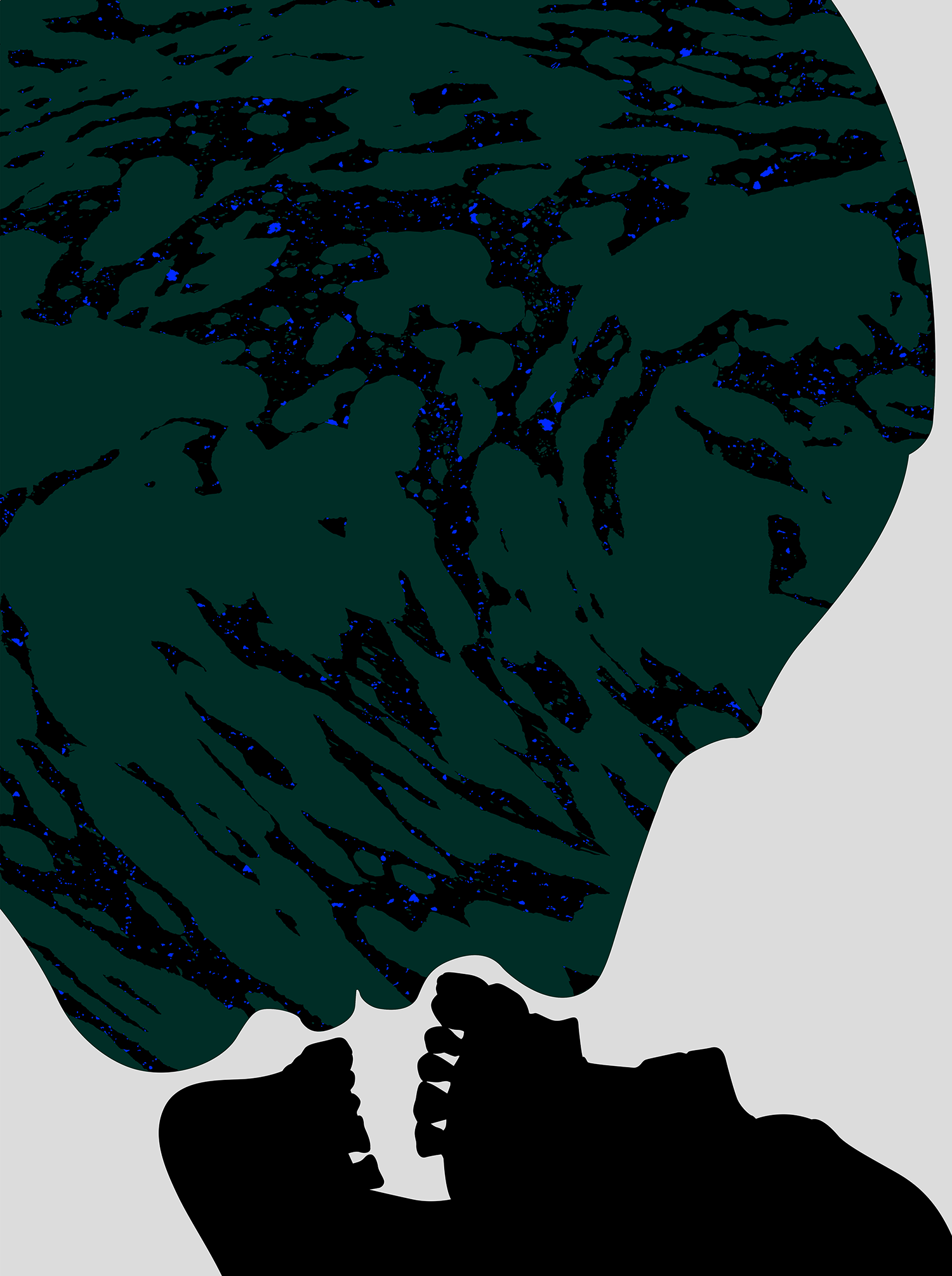
ce qu’a de pis
le cœur connu
la tête pu
de pis se dire
fais-les
ressusciter
le pis revient
en pire
—
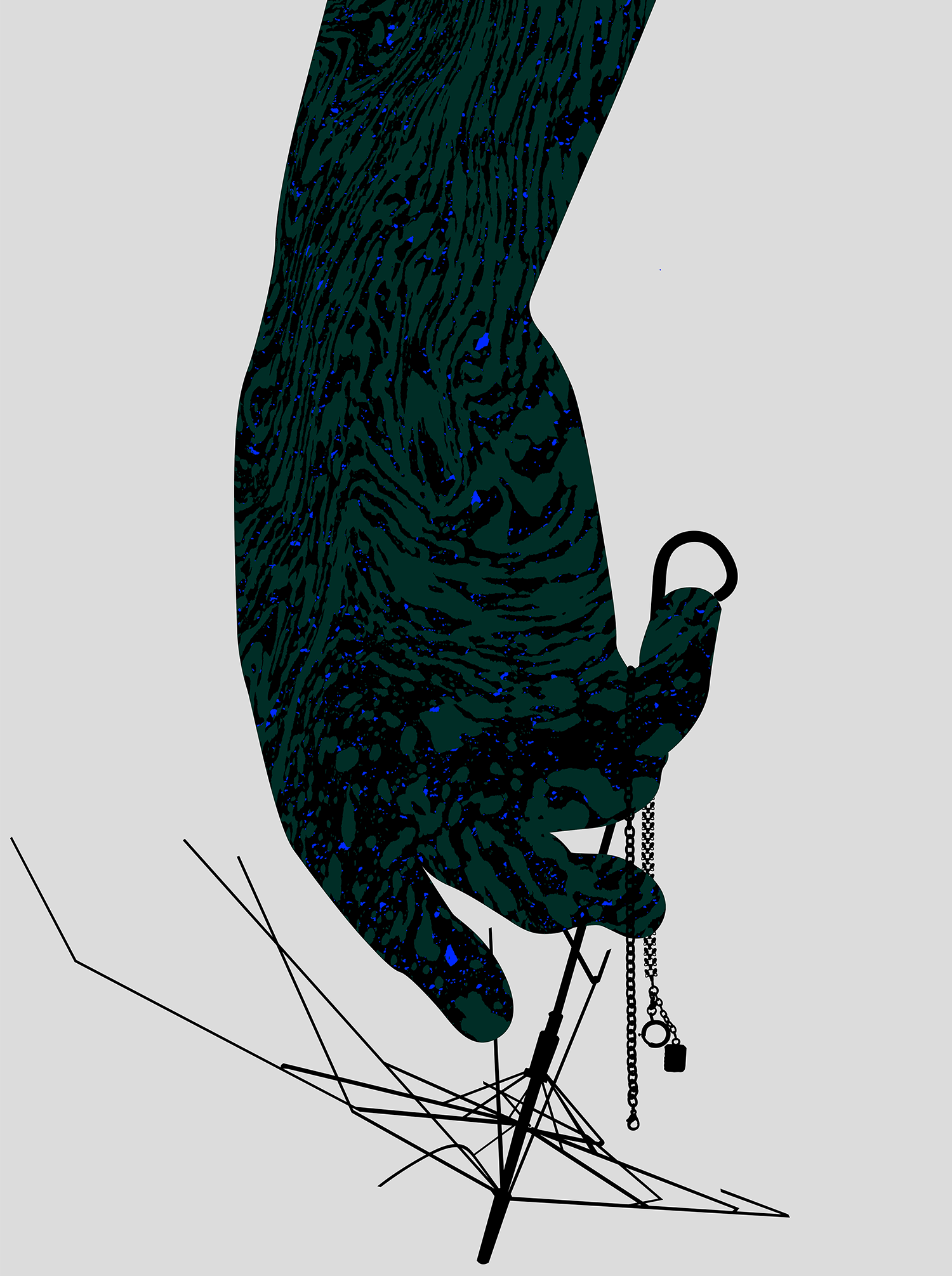
fous qui disiez
plus jamais
vite
redites
—
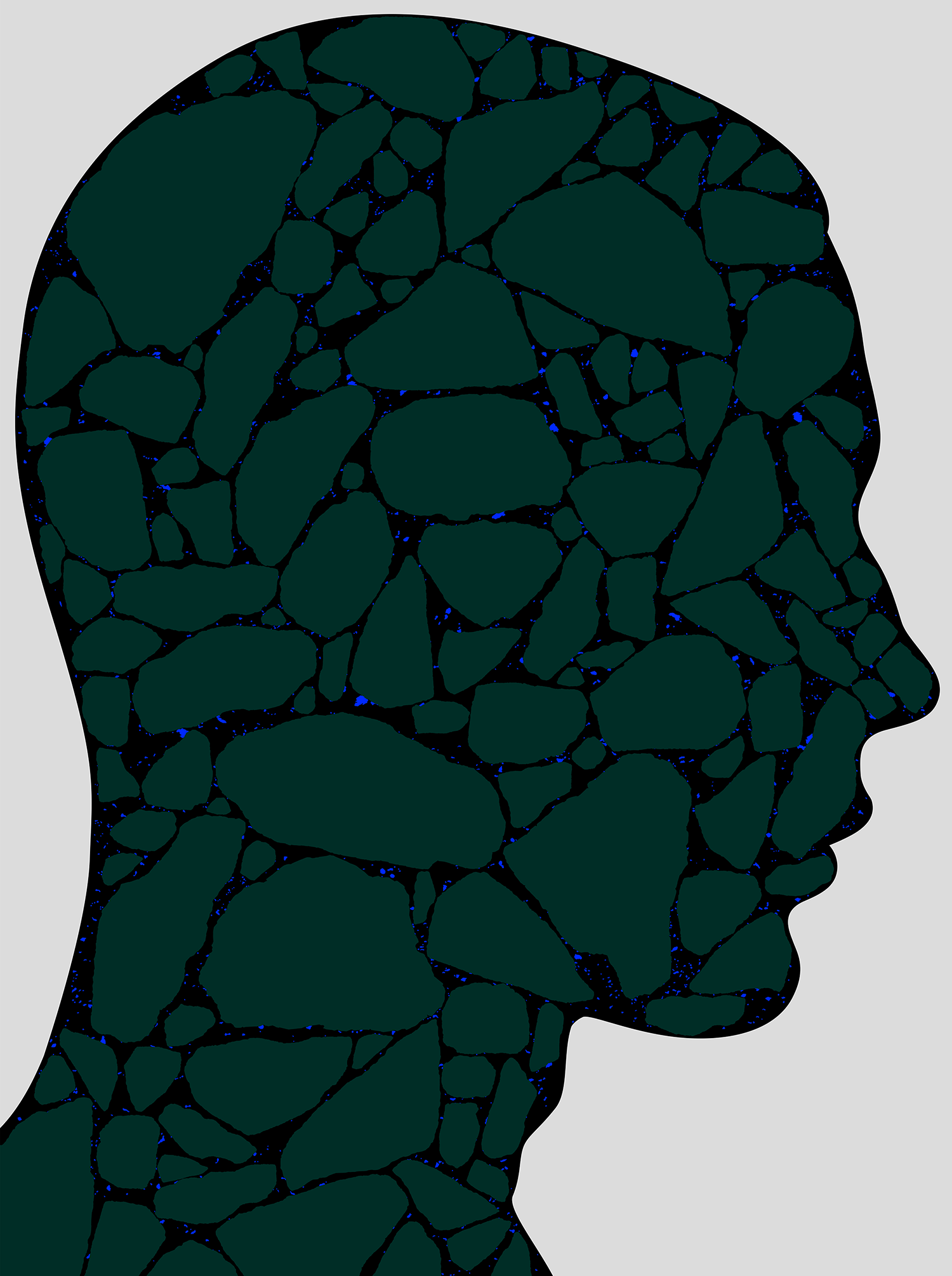
fin fond du néant
au bout de quel guette
l’œil cru entrevoir
remuer faiblement
la tête le calma disant
ce ne fut que dans la tête
—
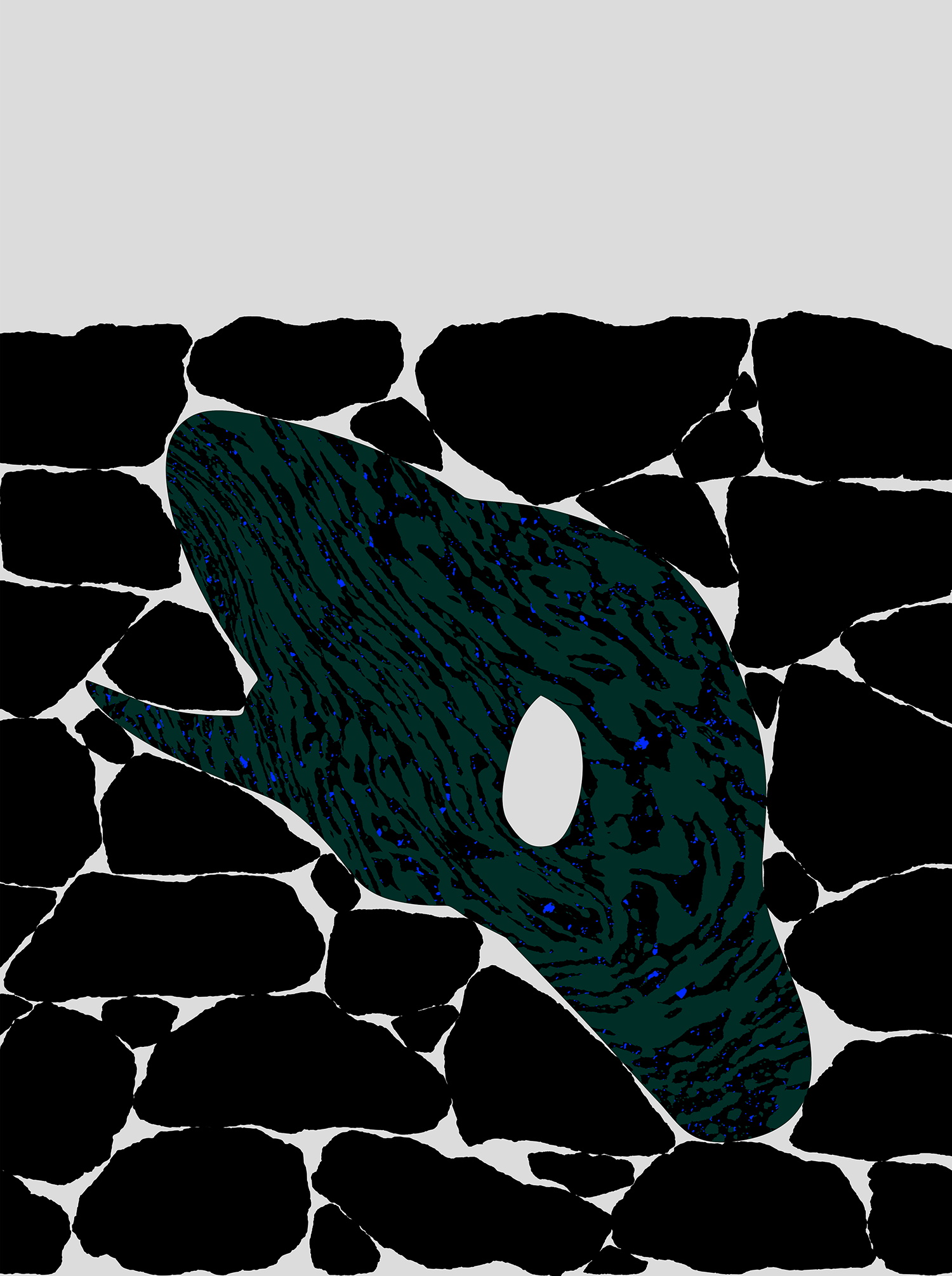
pas d’avantage
de souvenirs qu’à l’âge
d’avril un jour
d’un jour
—
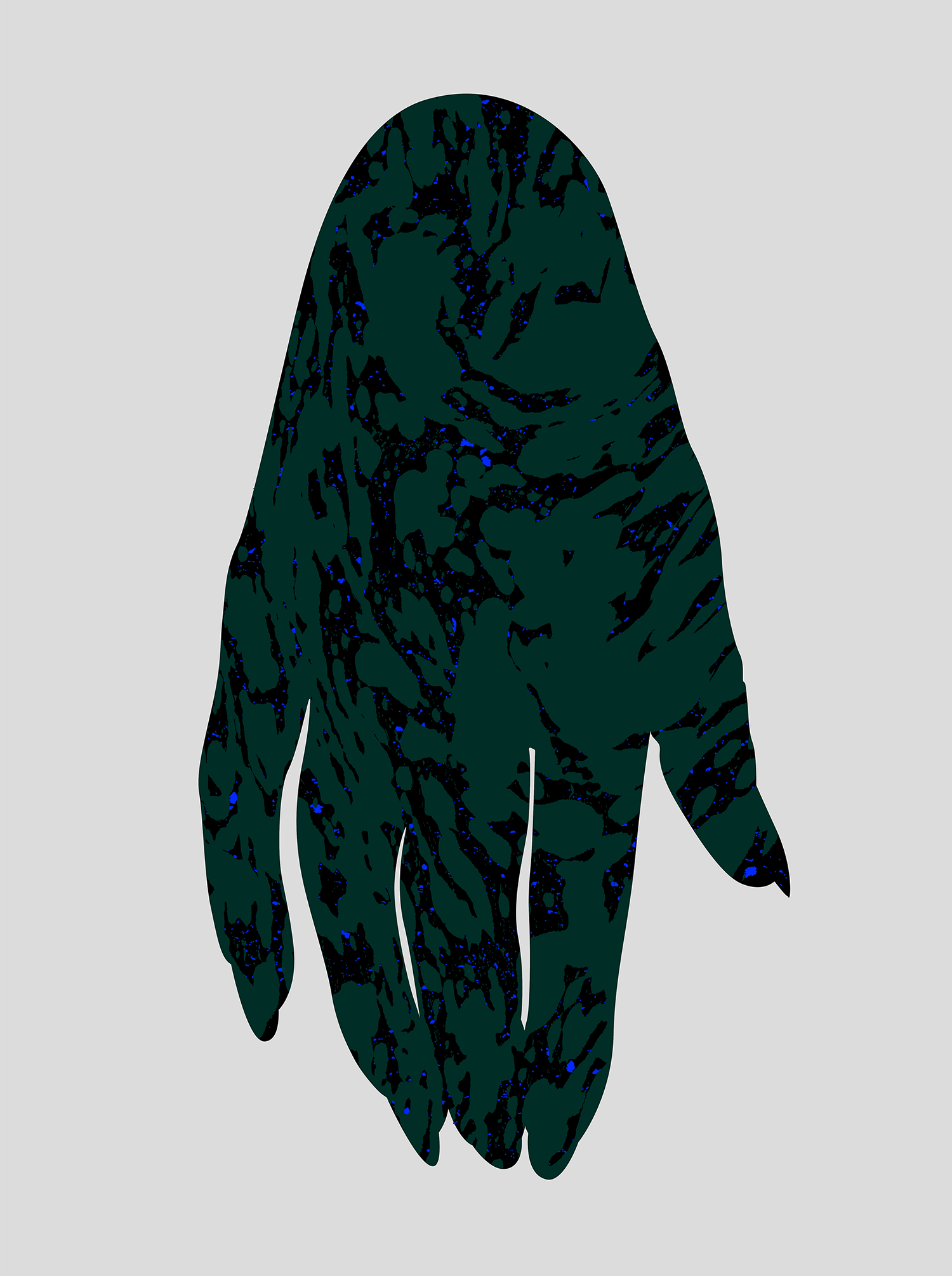
noire sœur
qui es aux enfers
à tort tranchant
et à travers
qu’est ce que tu attends
—
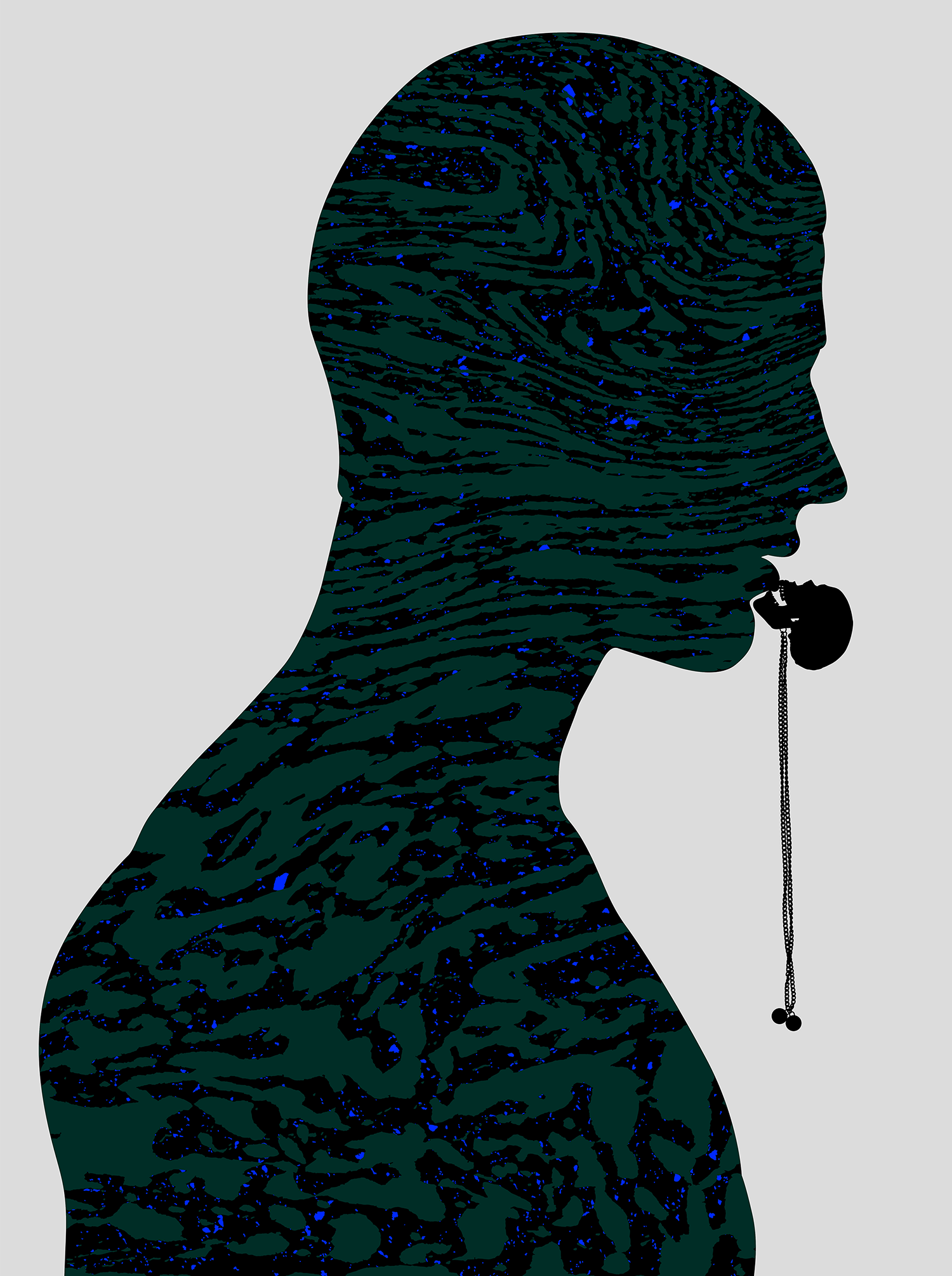
mots survivants
de la vie
encore un moment
tenez-lui compagnie
—
© Jules Julien Studio 2026